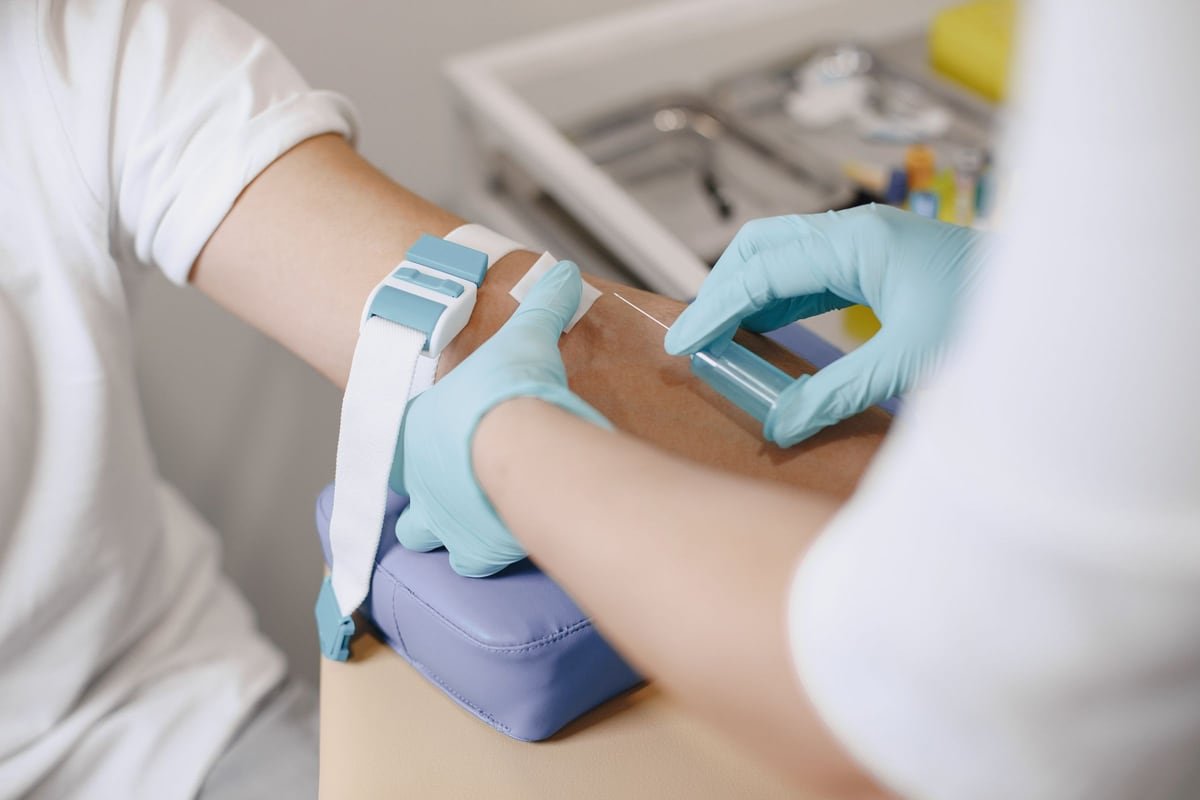
“Idiopathic” means no cause has been found — not that nothing is wrong. Between 25% and 46% of peripheral neuropathy cases carry that label, and the share rises with age. A broader workup by a neuromuscular specialist often finds a cause the first screen missed. Even when it stays unknown, symptoms can usually be reduced.
If you’ve been told that your idiopathic peripheral neuropathy has “no known cause,’’ you know how frustrating that sentence can be. You have real symptoms — burning, tingling, numbness, or unsteady balance — and yet the visit ends with a shrug, a prescription for something that only takes the edge off, and a suggestion to “come back if it gets worse.’’ It’s exhausting, and it can leave you wondering whether anyone is really looking.
This guide is part of our full peripheral neuropathy guide, and it’s written specifically for people stuck in that undiagnosed middle ground. We’ll go through what “idiopathic” actually means, why standard workups miss causes more often than most patients realize, which tests are worth asking about a second time, and what you can do to reduce symptoms even while the search continues. There is more room here for answers than the shrug at the end of your last appointment suggested.
What Does “Idiopathic” Peripheral Neuropathy Actually Mean?
“Idiopathic” is a medical label that means “of unknown cause.” It doesn’t mean your symptoms are imagined, doesn’t mean there’s nothing physically happening in your nerves, and doesn’t mean nothing more can be done. It means that the standard battery of tests your doctor ran — usually blood work, a physical exam, and sometimes nerve conduction studies — didn’t identify a specific cause.
Cleveland Clinic frames it directly: “When there’s an unknown cause, healthcare providers call it idiopathic neuropathy.” That’s the whole definition. It’s a classification, not a diagnosis of a specific disease.
The reason this word matters is that the label can quietly close the door on further investigation, and it shouldn’t. For many patients, the first workup is the beginning of the search, not the end — and knowing that changes how the next conversation with your doctor goes.
How Common Is It?
More common than most people are told. A 2020 clinical review published in American Family Physician (Castelli, Desai, and Cantone) states plainly: “Peripheral neuropathy is idiopathic in 25% to 46% of cases, and this is more common with increasing patient age.” That’s roughly one in four to almost one in two patients with confirmed nerve damage who leave the workup without a specific cause identified.
There are a few reasons the number is that high. Some causes are technically difficult to detect in routine blood work — small-fiber neuropathy, for example, can be invisible on standard nerve conduction studies and needs a skin biopsy to confirm. Some causes are recently discovered, so older workups didn’t look for them; genetic variants like RFC1, only widely appreciated in the last few years, are now recognized as a common cause of what used to be filed as “idiopathic sensory neuropathy.” And some causes hide in plain sight, like prediabetes that a fasting glucose test can miss but a two-hour oral glucose tolerance test would catch.
The takeaway is that “idiopathic” is often a reflection of the tests done so far, not a permanent property of your condition. If your workup was done years ago, or was limited to a basic panel, there’s a real chance a rerun or a deeper look would change the picture.
What Tests Should You Ask Your Doctor to Rerun?
None of what follows is medical advice, and your own doctor is the one who decides what’s appropriate in your case. But these are the tests and workup steps most commonly mentioned in clinical guidance for patients whose neuropathy has been classified as idiopathic — useful to know so you can have an informed conversation at your next visit.
- Full glucose workup, not just fasting glucose. Ask about hemoglobin A1c and, if that’s borderline, a two-hour oral glucose tolerance test. Prediabetes and early-stage diabetes are a leading cause of neuropathy that a single fasting number can miss.
- Vitamin B12 with methylmalonic acid and homocysteine. Serum B12 alone can look normal while a functional deficiency is causing nerve damage — the two follow-up markers help catch that. Our guide to vitamin B12 and nerve pain covers this in more detail.
- Thyroid panel — low thyroid function is a known and treatable cause of neuropathy.
- Serum and urine protein electrophoresis (SPEP/UPEP). This screens for monoclonal gammopathy, a category of blood-protein disorders that can drive neuropathy and that a basic metabolic panel won’t catch.
- Autoimmune and inflammatory markers such as ANA, ESR, and CRP — useful when there’s any suggestion of a broader autoimmune process.
- Heavy metal screen if there’s any occupational or environmental exposure history (lead, mercury, arsenic).
- Nerve conduction studies and EMG, if not already done or if done years ago — they help characterize what kind of nerve damage is present.
- Skin biopsy for small-fiber neuropathy, when symptoms are mostly burning, tingling, or autonomic (like temperature or sweating changes) and standard nerve conduction studies came back normal. This is a specialist test but a genuinely different look at the nerves.
- Genetic testing in select cases — a neurologist may consider this if there’s a family history, an unusual pattern, or features suggesting a hereditary neuropathy.
You do not need to ask for all of these; the point is to know they exist. If your original workup was limited to a basic blood panel and a physical exam, it’s reasonable to ask your doctor which of these — if any — make sense to add given your specific picture. That conversation is different from “is there anything else you can do,” which is easy to answer “not really” to.
What Are the Best Ways to Manage Idiopathic Nerve Pain?
Here is the piece of the story that often gets underplayed: even without a confirmed cause, the symptoms of idiopathic neuropathy are treatable. Not always erasable, but reducible in ways that meaningfully improve daily life. Management usually pulls from four buckets — medication, physical therapy, lifestyle, and general wellness support — and the best outcomes come from combining several rather than relying on any single thing.
Medication
The medications with the strongest evidence for neuropathic pain are duloxetine (an SNRI antidepressant that also affects pain signaling), gabapentin, and pregabalin. Topical options like capsaicin cream or lidocaine patches can help when pain is localized. None of these treat the underlying nerves — they turn down the volume on the pain signal — but for many patients that difference is the one that lets them sleep, walk, and function. This is a conversation for your doctor, since side effects and interactions matter.
Physical therapy and movement
A physical therapist experienced with neuropathy patients can build a routine that supports circulation, strengthens the muscles that stabilize your feet and ankles, and preserves balance so falls don’t become the bigger problem. Low-impact aerobic movement — walking, stationary cycling, swimming — is one of the few interventions with reasonable evidence for actually improving nerve function over time in some patients, not just masking symptoms.
Lifestyle and daily-life adjustments
- Check your feet daily for cuts, blisters, or pressure spots you didn’t feel form — reduced sensation means small injuries can become big ones.
- Support blood sugar even if you’re not diabetic: whole-food, lower-glycemic eating patterns benefit nerve health broadly, and our guide to diet for nerve pain covers this in depth.
- Limit or stop alcohol — it’s directly neurotoxic and depletes the B-vitamins nerves rely on.
- Prioritize sleep — sleep loss reliably lowers pain thresholds the next day.
- Wear supportive, well-fitting shoes and consider a shower chair or grab bars if balance is affected.
Nerve Fresh — a general nerve-comfort formula some readers ask their doctor about
To be direct: Nerve Fresh is a dietary supplement, not a medication, and no supplement can restore a cause that hasn’t been identified. It won’t explain why your nerves are affected and it isn’t a substitute for the specialist workup we described above. What it’s designed for is general nerve-comfort support — and some readers add it to their broader routine while continuing the search for a cause with their doctor.
- Plant-based capsule — five botanicals listed on the label (ingredients and doses are in our review)
- 180-day money-back guarantee (per the manufacturer) — the return has to arrive within 180 days and you pay return shipping, so read the current terms before buying
- Always run any supplement past your doctor first, especially if you take other medications
Nerve Fresh is a dietary supplement, not a medication. It is not intended to diagnose, treat, cure or prevent any disease, including idiopathic peripheral neuropathy. You can also read our Nerve Fresh review for a longer breakdown.
An unexplained diagnosis is a starting point, not an ending. For the full map of causes, tests and management options worth revisiting with a specialist, see our map of causes and tests worth revisiting.

We research and compare evidence-based approaches to nerve pain relief. Nothing on this site is medical advice — always confirm decisions with a licensed clinician, and consider a second opinion for symptoms that stay unexplained. More about us.
Should You See a Neurologist Specialist?
If your neuropathy was worked up entirely by a primary care physician and the answer came back “idiopathic,” the honest answer is: yes, a referral to a neurologist — ideally one who focuses on neuromuscular disease — is usually a reasonable next step. Not because your primary care doctor did anything wrong, but because neurologists have access to a broader diagnostic toolkit and see enough neuropathy patients to recognize patterns a generalist might not.
A neuromuscular neurologist can order and interpret the more specialized tests we mentioned above — nerve conduction studies with detailed interpretation, EMG, skin biopsy for small-fiber neuropathy, targeted genetic testing, and specific autoimmune panels. They also know when a symptom pattern warrants imaging, a lumbar puncture, or referral to another subspecialty like rheumatology or hematology.
A second opinion is also appropriate. Peripheral neuropathy sits in a category of conditions where different specialists genuinely see different things, and asking for another set of eyes on your case is not an insult to your current doctor — it’s standard practice for symptoms that stay unexplained. Academic medical centers with neuromuscular divisions, and the peripheral neuropathy centers of excellence maintained by patient-advocacy organizations, are common places people turn to for that second look.
If you want to see the full picture of how peripheral nerve damage is diagnosed and managed across all its causes, our map of causes and tests worth revisiting lays it out end to end.
Frequently Asked Questions
Is idiopathic peripheral neuropathy dangerous or progressive?
For most patients, idiopathic neuropathy progresses slowly if at all, and the biggest risks are indirect — falls from balance problems, and unnoticed foot injuries from reduced sensation. That said, “most” isn’t “all,” and any noticeable worsening (spreading numbness, new weakness, changes in bladder or bowel control) is worth reporting to your doctor promptly, since it can point to a cause that wasn’t evident earlier.
Can idiopathic neuropathy suddenly get a diagnosis years later?
Yes, and it happens more often than patients expect. New tests come into clinical use, previously subtle findings become more pronounced, or a family history detail surfaces that changes the direction of the workup. Genetic variants like RFC1 expansions, for example, are now known to cause a lot of what was previously labeled “idiopathic sensory neuropathy.” A periodic reassessment with a neurologist is reasonable, especially if symptoms change.
Do supplements help when the cause is unknown?
It depends on why. If your idiopathic label reflects an undetected B-vitamin issue, addressing that can genuinely help; that’s why the workup should include functional B12 markers (methylmalonic acid, homocysteine) not just serum B12. For general nerve-comfort support, some patients add a supplement as one piece of a broader plan — but a supplement shouldn’t replace the diagnostic search, and any product should be run past your doctor, especially if you take other medications.
What’s small-fiber neuropathy, and could that be what I have?
Small-fiber neuropathy affects the tiny nerve fibers that carry pain, temperature, and autonomic signals. It often presents with burning, tingling, or sensitivity that’s worse at night — and here’s the important part: standard nerve conduction studies can look completely normal in small-fiber neuropathy, which is why some patients get labeled “idiopathic” when a skin biopsy would actually confirm what’s happening. If your symptoms fit that pattern, it’s worth asking a neurologist whether a skin biopsy is appropriate.
Can lifestyle changes actually slow idiopathic neuropathy?
The evidence is strongest for two things: regular low-impact aerobic exercise (walking, cycling, swimming), which has been associated with symptom improvement in some studies, and tight blood sugar control even in the prediabetes range, since impaired glucose metabolism drives nerve damage that a standard fasting glucose test may miss. Good foot care, alcohol moderation, and sleep quality don’t reverse nerve damage but reliably reduce day-to-day impact.
Looking into general nerve-comfort support?
Nerve Fresh is a plant-based capsule formula with a 180-day money-back guarantee (per the manufacturer; the return has to arrive within that window). It’s not a diagnosis or a treatment for idiopathic neuropathy — but if you’re building a broader routine and want to try something with a 180-day return window (read the return conditions first), it’s a straightforward option to run past your doctor.
Nerve Fresh is a dietary supplement, not a medication. It is not intended to diagnose, treat, cure or prevent any disease. Talk to your doctor before starting any supplement, especially if you take prescription medication.
Being told your neuropathy is “idiopathic” can feel like a dead end, but it’s more accurately a checkpoint — a note that the search so far hasn’t found the answer, not that no answer exists. A specialist reassessment, a broader battery of tests, and a management plan built around the symptoms themselves give you real ground to stand on. If you haven’t yet, a conversation with a neuromuscular neurologist is often the single most useful next step.
Sources cited in this article
- American Family Physician — Castelli G, Desai KM, Cantone RE. Peripheral Neuropathy: Evaluation and Differential Diagnosis (December 15, 2020)
- Cleveland Clinic — Peripheral Neuropathy: What It Is, Symptoms & Treatment
- MedlinePlus (National Library of Medicine, NIH) — Peripheral Nerve Disorders
- PMC (National Institutes of Health) — RFC1 Expansions Are a Common Cause of Idiopathic Sensory Neuropathy