Ask ten people with peripheral neuropathy whether exercise helps and you’ll get ten different answers. Some swear a daily walk quiets the burning in their feet; others tried “moving more” and felt worse. Both experiences are real — the difference is usually which exercises, how much, and how the routine is built up.
This guide walks through the movement categories that actually have evidence behind them for nerve pain, the ones to be cautious with, and how to structure a week you can stick to. It’s part of our peripheral neuropathy guide, and it pairs naturally with our piece on numbness and tingling in the feet, which is the symptom that brings most readers here in the first place.
Low-impact aerobic exercise, gentle balance work and daily stretching are the three approaches best supported by evidence for peripheral neuropathy. Together they improve circulation, help regulate blood sugar and reduce fall risk. Consistency beats intensity. Clear any new routine with your doctor first, especially if you have reduced sensation in your feet.
Can Exercise Really Help Nerve Pain?
Yes — but the mechanism matters. Exercise doesn’t regrow damaged nerve fibres overnight. What it does is change the ground those nerves live on: it improves blood flow through the tiny capillaries that feed them, helps regulate blood sugar (the top cause of nerve damage in adults), supports a healthier body weight, and dampens the systemic inflammation that keeps pain signals loud.
The Cleveland Clinic estimates peripheral neuropathy affects about 2.4% of people worldwide, rising to between 5% and 7% of adults over 45. For that population, regular movement is one of the few interventions that consistently shows up in clinical guidance alongside medications and treating the underlying cause. The National Institute of Neurological Disorders and Stroke lists physical activity and healthy lifestyle measures among the strategies that can improve neuropathy symptoms and slow progression when combined with treatment of the underlying cause.
What that looks like in practice: many readers report that a few weeks of consistent, gentle movement lowers the baseline intensity of their burning or tingling, improves sleep, and makes their feet feel more “connected.” It won’t work for everyone, and it works better paired with the medical workup that finds the underlying driver. But as a low-cost, low-risk lever, it earns its place in every serious neuropathy plan.
Which Exercises Are Safest for Neuropathy?
Three broad categories are safest and best supported: low-impact aerobic movement, light strength work, and gentle stretching. Each one addresses a different part of the neuropathy picture.
Low-impact aerobic exercise
This is the workhorse. Options that put minimal load through the feet:
- Walking on flat ground. Start with 5–10 minutes and add a minute or two each day. Well-cushioned shoes with a wide toe box matter more than pace.
- Stationary cycling. Zero impact on the feet, great for circulation. A recumbent bike is gentler on the back.
- Swimming or water walking. Water supports your weight, offers gentle resistance, and lets people with severe foot pain move without pressure on the soles. Many community pools run “aqua-fit” classes designed for exactly this.
- Elliptical trainer. Lower impact than a treadmill but still weight-bearing, which is good for bone density.
Light strength work
Muscle around a joint helps steady it when nerve signals are unreliable. You don’t need heavy weights. Two or three sessions a week of the following covers most needs:
- Wall push-ups or seated chest presses with a resistance band
- Sit-to-stand from a sturdy chair (goal: 10 reps without pushing off with your hands)
- Seated leg extensions and calf raises holding a counter for balance
- Light dumbbell rows or bicep curls (2–5 lb weights are plenty to start)
Stretching and mobility
Tight calves and hamstrings amplify foot discomfort. Ten minutes of gentle stretching most days pays off:
- Standing calf stretch against a wall, 30 seconds each side
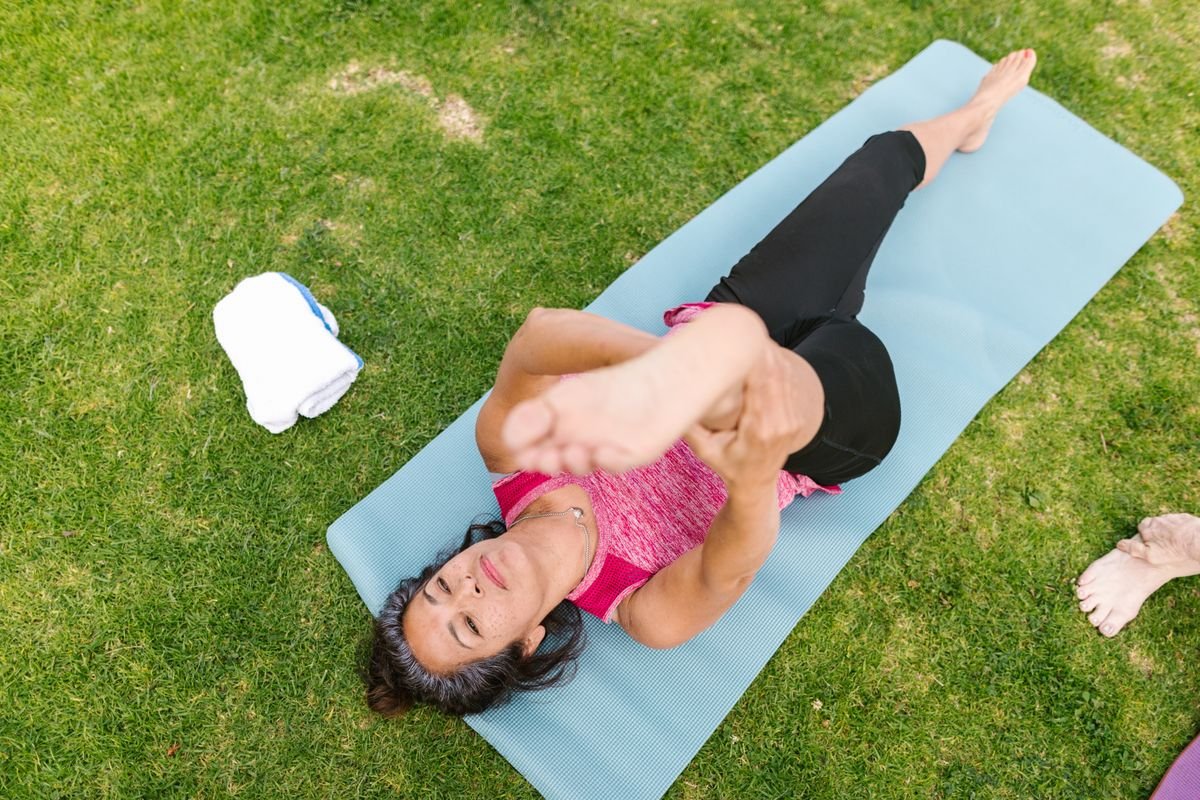
- Seated hamstring stretch with a towel around the foot
- Ankle circles, 10 in each direction
- Toe curls and spreads on a soft surface
- Gentle plantar-fascia roll with a tennis ball under the arch
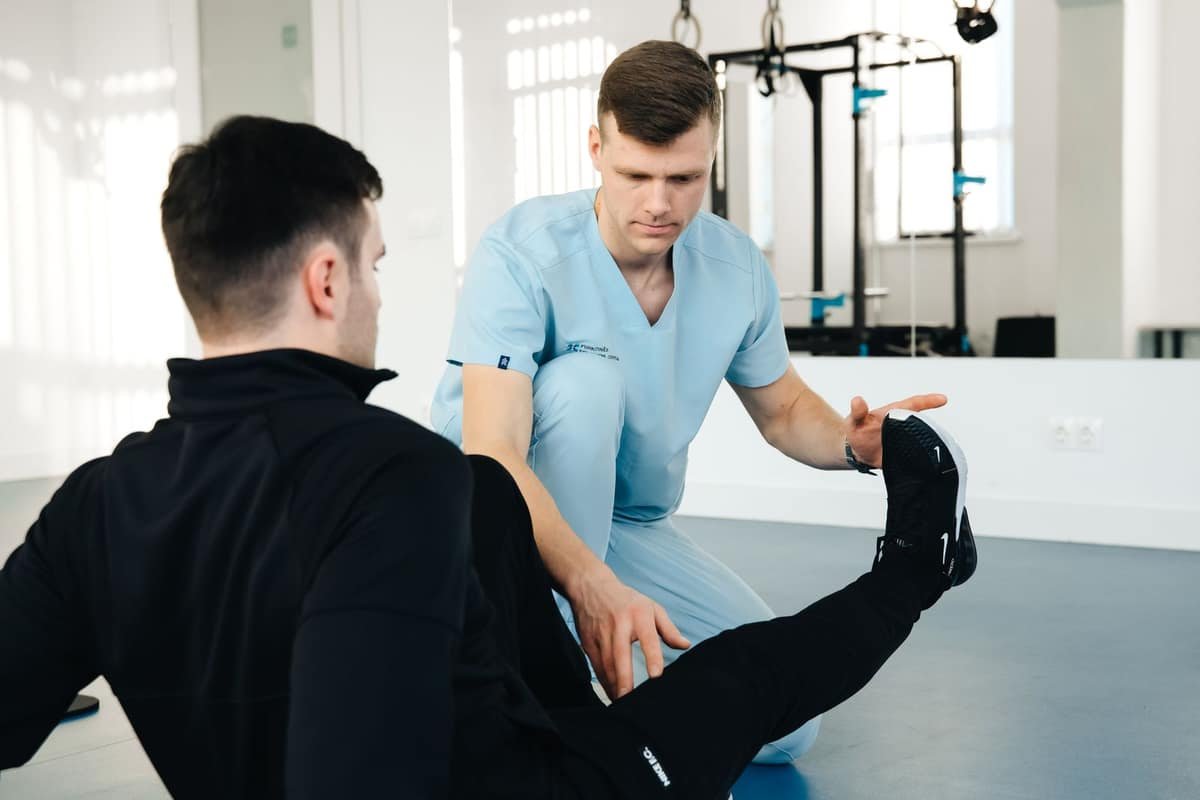
Before you start any of this, book a check-in with your doctor or a physical therapist — especially if you have diabetes or reduced sensation in your feet. A physio can watch your gait, flag any foot deformities that need special footwear, and adapt exercises to your baseline. If you have diabetes, our guide to diabetic neuropathy covers the extra foot-care rules that apply to every workout you do.
NerveCalm — a plant-based option some readers pair with their movement routine
Once your exercise habit is running and you’re working with a clinician on the underlying cause, some readers ask whether adding a nerve-support supplement makes sense. NerveCalm is the formula we currently link to, positioned for daily nerve comfort.
- Natural, plant-based formula — non-GMO, no stimulants, non-habit forming (per the manufacturer)
- 90-day money-back guarantee (per the manufacturer) — check the current refund terms on the official site before buying
- Check the official label for the current ingredient list and doses before buying
NerveCalm is a dietary supplement, not a medication. It is not intended to diagnose, treat, cure or prevent any disease. Talk to your doctor before starting any supplement, especially if you take prescription medication. You can also read our our honest take on NerveCalm for a longer breakdown.
What Are the Best Balance Exercises to Prevent Falls?
Falls are the hidden risk of peripheral neuropathy. When your feet don’t reliably report where the ground is, the brain has less information to keep you upright — and a stumble that would be harmless for someone else can become a broken hip. Balance training is one of the few interventions with a track record of reducing fall risk in older adults with nerve damage.
Start with the easiest version and only progress when the current level feels secure. Do these near a sturdy counter, wall, or the back of a heavy chair.
- Feet-together stand. Simply standing with your feet touching for 30 seconds. Progress to eyes closed once it’s easy.
- Semi-tandem stance. One foot half a step ahead of the other, heel roughly beside the arch of the other foot. Hold 30 seconds, switch sides.
- Tandem stance. One foot directly in front of the other, heel touching toe. Hold 30 seconds, switch.
- Single-leg stand. Balance on one leg for 10–30 seconds, holding on to the counter as little as you need. Switch sides.
- Heel-to-toe walk. Walk 10 steps forward placing the heel of the front foot directly against the toes of the back foot, arms out for balance.
- Seated marches. Sitting tall in a chair, lift each knee alternately for 1–2 minutes. Good starting point if standing balance feels unsafe.
Gentle group practices like tai chi and chair yoga bundle balance, strength, and mindful attention into one session, and community centres often run classes aimed at older adults. If a class is available near you, it’s one of the highest-value hours a week you can spend.
How Often Should You Exercise With Neuropathy?
The public-health baseline for adults is 150 minutes of moderate aerobic activity a week plus two sessions of strength work. That target doesn’t change because you have neuropathy — but how you build up to it does.
A realistic ramp for someone starting from zero:
- Weeks 1–2: 5–10 minutes of walking or cycling most days. Ten minutes of stretching and balance work. That’s it.
- Weeks 3–4: Aim for 15–20 minutes of aerobic activity most days. Add one short strength session (10–15 min) a week.
- Weeks 5–8: Work toward 20–30 minutes of aerobic movement 5 days a week. Two strength sessions a week. Balance work daily.
- Beyond week 8: Adjust to what your body tells you — add variety (swimming one day, cycling another, walking the rest) to keep the joints happy.
Consistency is the whole game. A 15-minute walk you do every single day beats a 60-minute session you manage once a week. If a flare-up hits, don’t stop moving entirely — drop back a level for a few days, then rebuild. Mild post-exercise soreness or a temporary uptick in tingling is normal. Sharp, shooting, or new pain is not, and it’s the signal to pause and check in with your clinician.
What Exercises Should You Avoid?
Not every workout that’s safe for the general population is safe for peripheral neuropathy. If your feet have reduced sensation, be cautious with the following:
- High-impact activities. Running on pavement, jumping rope, and box jumps drive repeated force through feet that may not be reporting damage back to you. Blisters and stress fractures can go undetected until they’re serious.
- Barefoot workouts on hard, hot, or rough surfaces. Yoga on a soft mat indoors is fine. Barefoot on a hot pool deck or gravel path is a burn or cut waiting to happen.
- Heavy lifting without a spotter or coach. When form breaks down under load and you can’t feel your feet gripping the floor, injury risk climbs. If you love strength training, work with a certified trainer who knows about your condition.
- Long unbroken standing sessions. Standing balance classes can be great, but if your balance is unsteady, sit down every 10–15 minutes rather than pushing through.
- Any movement that produces sharp, shooting, or electric-shock pain. Mild burning that fades after cool-down is usually fine. Sharp pain means stop and reassess.
Two universal habits keep you safe no matter what routine you choose: inspect your feet before and after every workout (mirror for the soles), and break in new shoes gradually — a fresh pair worn for a 30-minute walk on day one can produce a blister you won’t feel until it’s infected.
Movement works best as part of a plan, not on its own. For how it fits with diagnosis, nutrition and medical treatment, see our guide to how nerve damage is treated.

We research and compare evidence-based approaches to nerve pain relief. Nothing on this site is medical advice — always confirm decisions with a licensed clinician. More about us.
Frequently Asked Questions
Can walking reverse peripheral neuropathy?
Walking on its own doesn’t reverse established nerve damage, but it can slow progression and reduce the intensity of symptoms for many people. It works by improving blood flow to the small vessels that feed peripheral nerves, helping regulate blood sugar (the leading cause of neuropathy in adults), and supporting a healthier body weight. Paired with treatment of the underlying cause — whether that’s diabetes, a vitamin deficiency, or something else — a consistent walking habit is one of the highest-value things you can do.
Is yoga safe for neuropathy?
Gentle, chair-supported, or restorative yoga is generally safe and often helpful for stretching tight muscles and improving balance. Hot yoga and advanced balance poses on one foot are riskier if your feet have reduced sensation. Look for classes labelled “gentle,” “chair yoga,” or “yoga for seniors,” and tell the instructor about your condition so they can offer modifications.
What is the best time of day to exercise?
The best time is the time you’ll actually do it consistently. That said, many people with neuropathy find their feet feel worst in the evening and prefer to schedule aerobic activity in the morning or early afternoon, when energy is higher and symptoms are typically quieter. Avoid vigorous exercise right before bed, which can push nerve pain higher when you’re trying to fall asleep.
Can strength training make nerve pain worse?
Light, well-executed strength work usually helps rather than hurts — stronger muscles protect joints and improve stability when nerve signals are unreliable. Problems tend to come from lifting heavier than your form allows, from movements that pinch a nerve (deep squats with poor form, for example), or from ignoring sharp pain. Start light, prioritise form, and if a specific exercise consistently makes symptoms worse the next day, swap it out.
Should I stop exercising if my feet feel numb during a workout?
A mild change in sensation during exercise is common and usually not dangerous. Stop and reassess if numbness comes with sharp pain, weakness, loss of balance, or if you notice a blister, cut, or unusual redness during a foot check. When in doubt, cool down, inspect your feet in good light, and mention the pattern to your doctor at your next visit. Anyone with new or rapidly worsening numbness should get a same-week appointment rather than pushing through.
Exploring supplement support alongside your routine?
NerveCalm is a plant-based nerve-support formula backed by a 90-day money-back guarantee (per the manufacturer). Talk to your doctor before starting any new supplement.
NerveCalm is a dietary supplement, not a medication. It is not intended to diagnose, treat, cure or prevent any disease. Talk to your doctor before starting any supplement, especially if you take prescription medication.
None of this replaces the diagnostic workup that finds the cause of your neuropathy in the first place. Movement is one lever among several — nutrition, blood-sugar control, sleep, and medication all matter too. For the full picture on what drives nerve pain and how it’s managed, see our guide to how nerve damage is treated.
Sources cited in this article
- Cleveland Clinic — Peripheral Neuropathy
- National Institute of Neurological Disorders and Stroke (NINDS) — Peripheral Neuropathy
- National Institute of Diabetes and Digestive and Kidney Diseases (NIDDK) — Peripheral Neuropathy (Diabetes)